Words Hoard & Heath
Photography meomupmofilm, Hanno, Marion Batteur
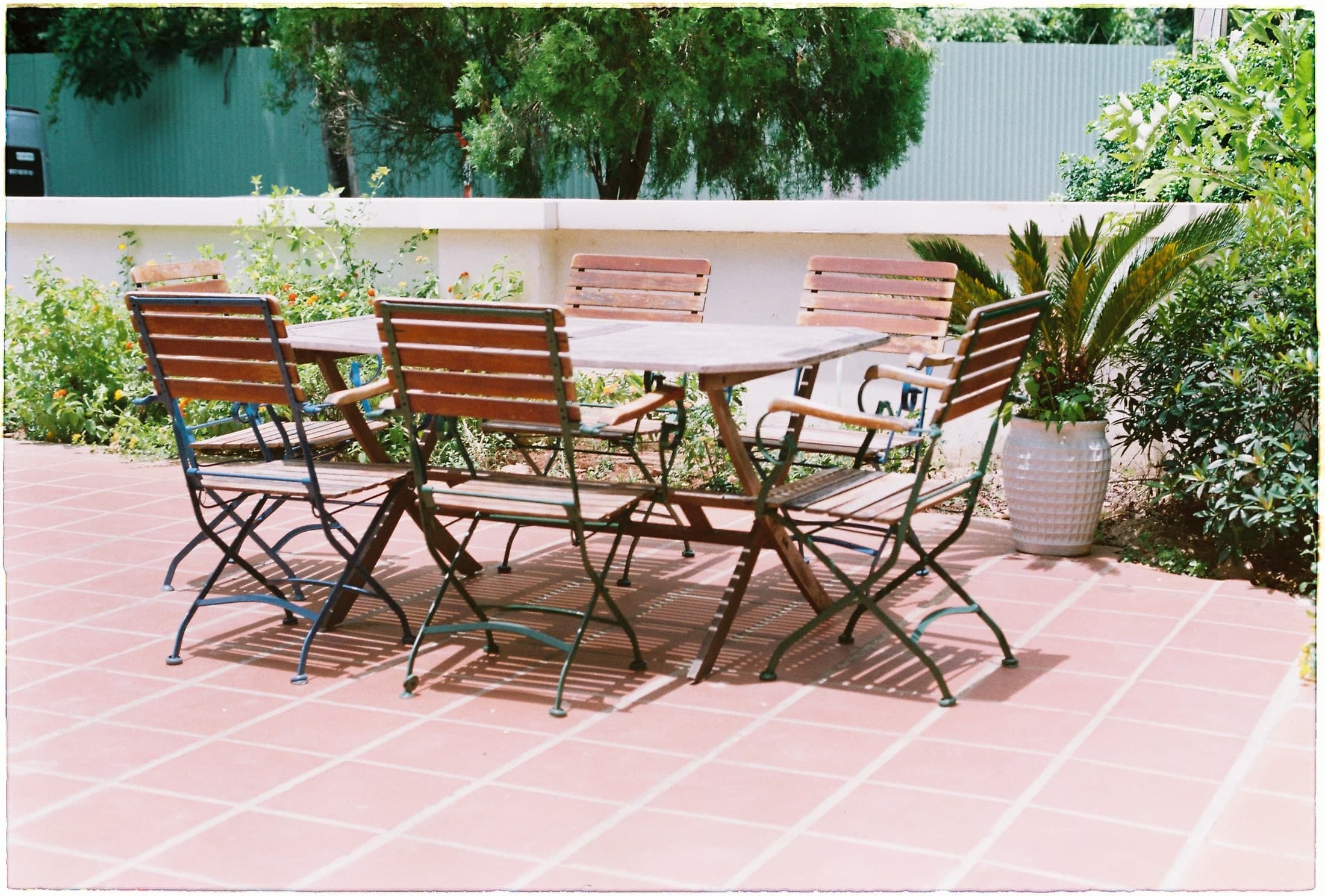
A garden can feel exposed from one chair and sheltered from the next. In meomupmofilm’s photograph, a pale wall sits behind an outdoor dining table, with foliage rising above it. The chairs face different directions. Before deciding that the whole garden needs a taller boundary, sit in the place you actually use and look at the view from there.
A screen beside a seat need not follow the entire boundary. You might want to interrupt a view of the table while keeping an opening towards a tree. Move the chair first. A turn towards the planting, or a place further from the exposed edge, is worth trying before ordering panels.
Check from the other seats too. A solution that feels useful at lunch may block the evening light from the bench. And a fence that hides a ground-floor window cannot be assumed to hide one upstairs: the direction of that view needs its own answer.
Leave space for the planting
Planting also asks for ground, time and access. Mark the bed on a plan, with the route to the gate and a place from which you can maintain it. A row that covers the view but leaves no room to cut it back is an unfinished solution.
The RHS screening guide asks gardeners to match plants to the soil and exposure, consider their eventual height and allow for future maintenance. Fast growth is not automatically an advantage. Compare the mature height and spread with the bed you have, not just the size of the pot at the nursery.
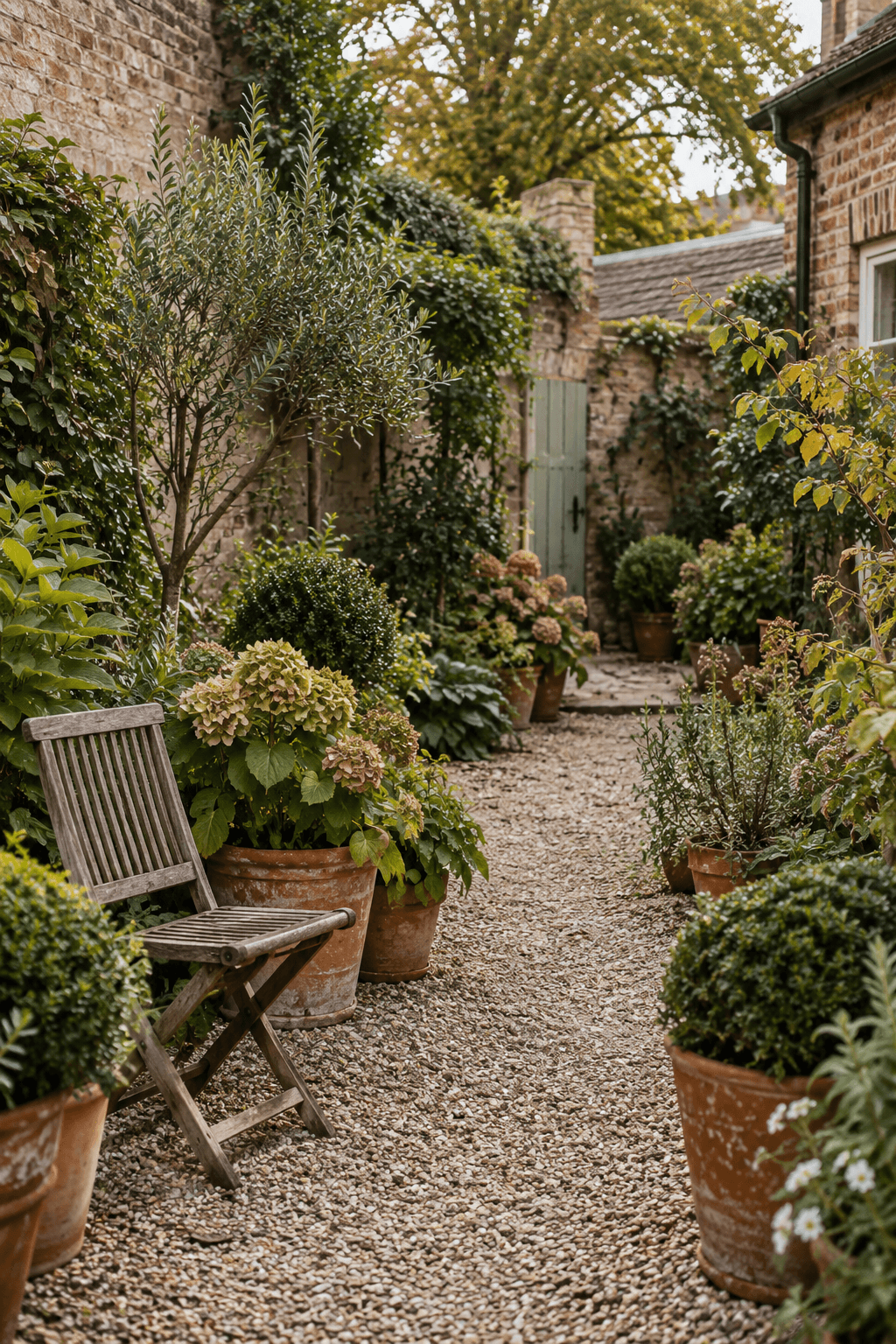
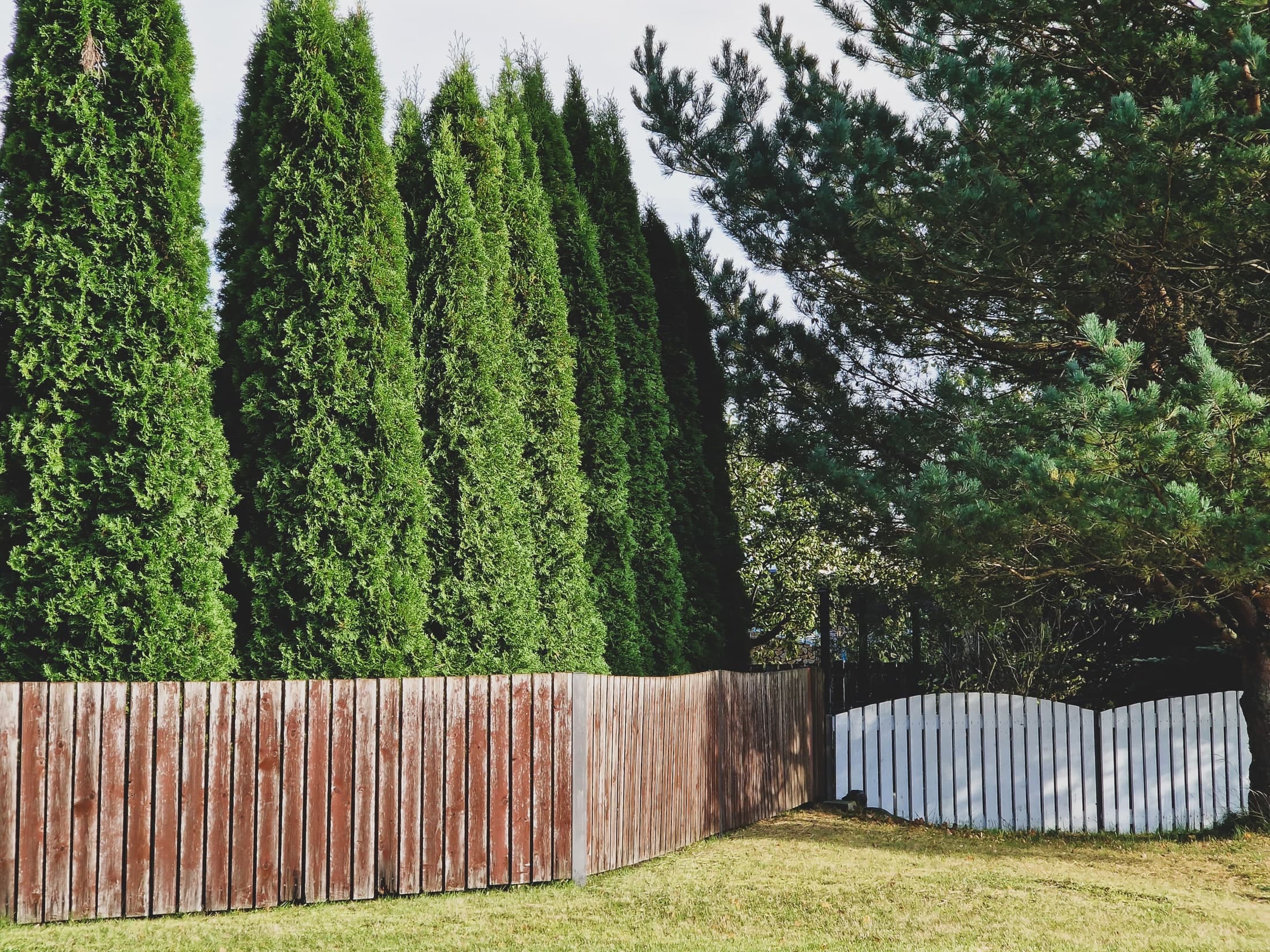
In Hanno’s photograph, tall narrow columns of foliage rise far above a weathered timber fence. The lower barrier and the upper planting are doing different things. We would use that distinction when planning: decide which part of a view needs covering before choosing the height of every plant along it.
What a panel does
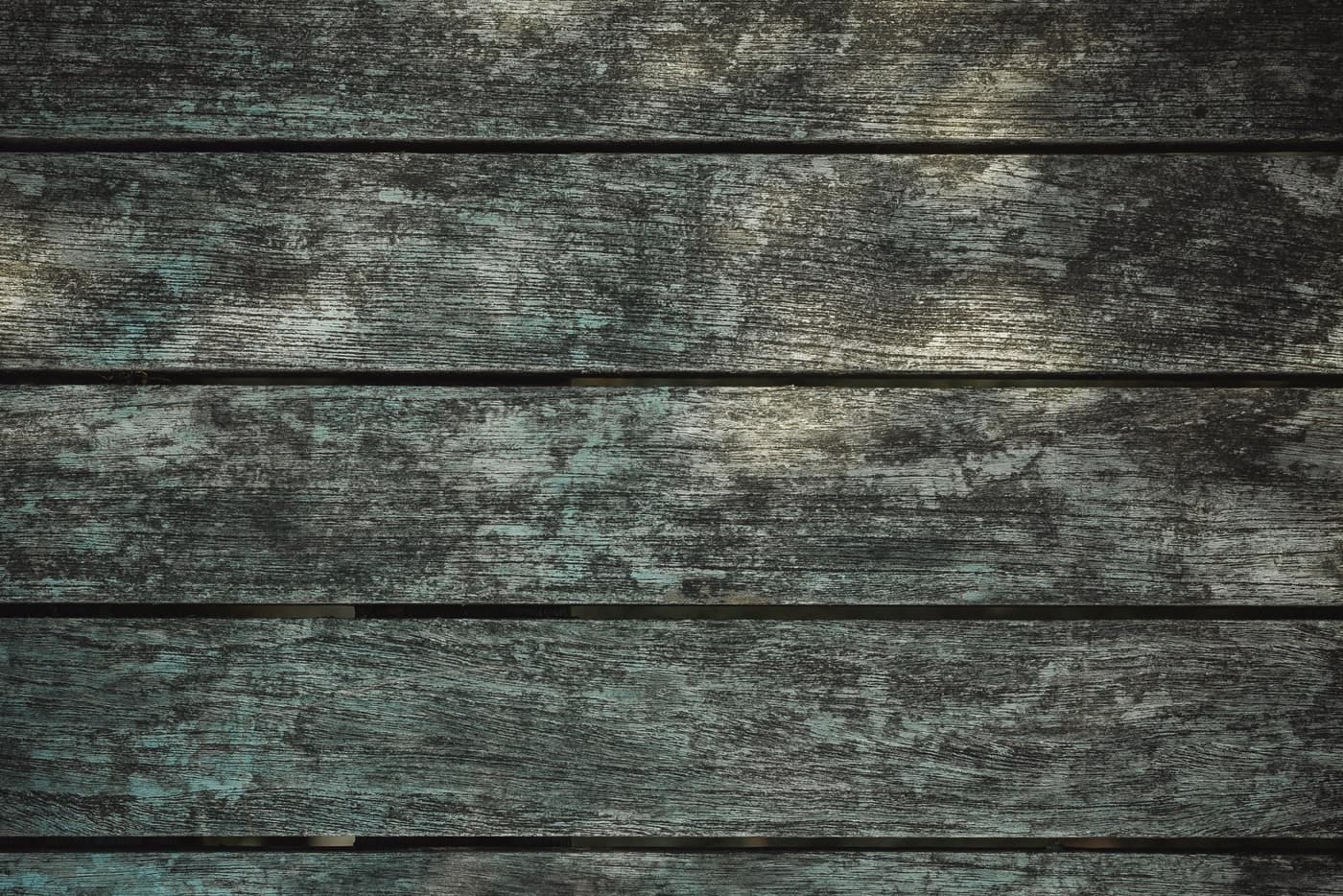
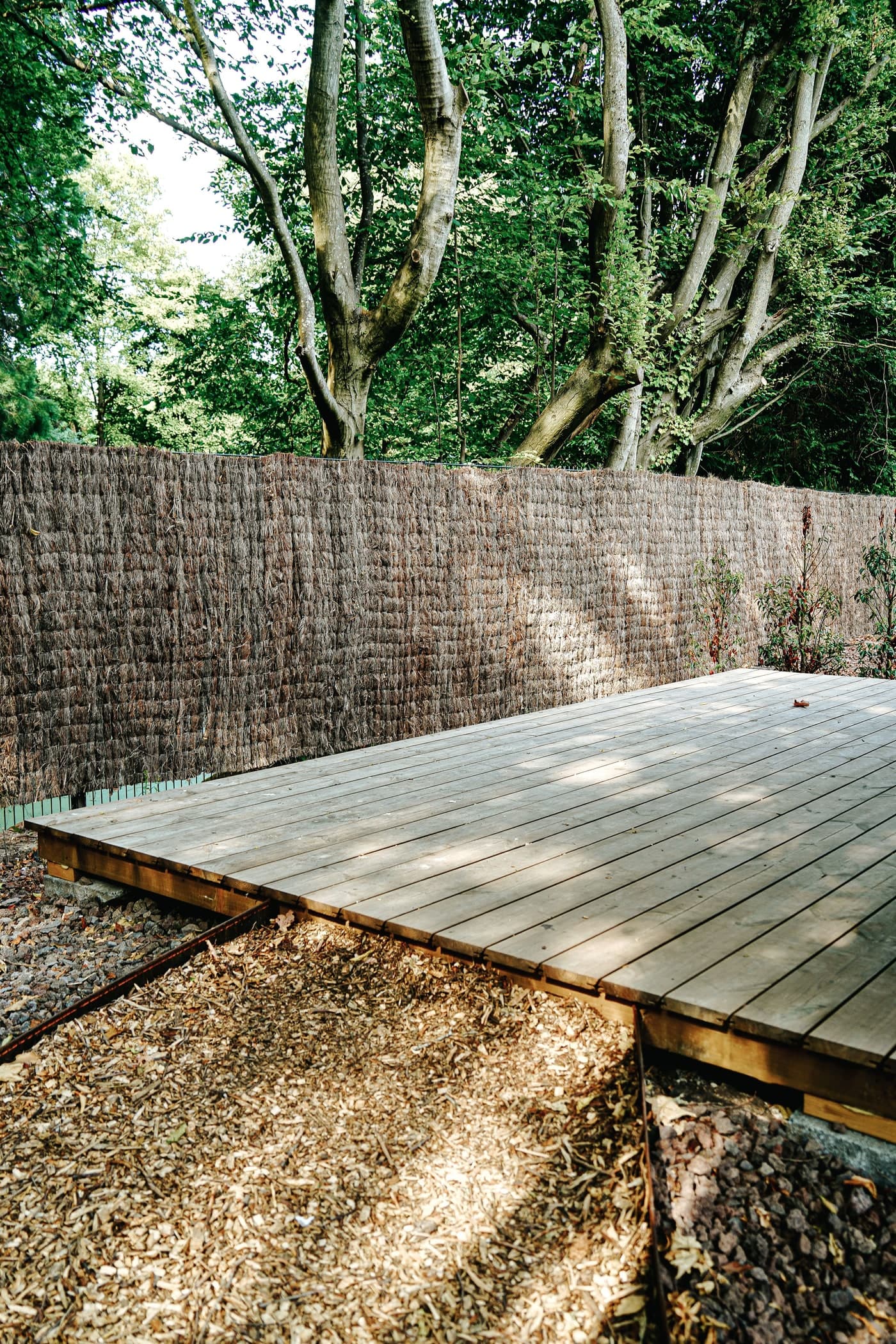
A built screen gives you a shape to assess immediately. Marion Batteur’s photograph shows a broad woven-looking surface behind an empty deck, with tree trunks and canopy above. The trees remain part of the view. We would keep that division if the aim were to shelter a seat without losing the whole wooded backdrop.
Open slats and lattice leave gaps. Look through a proposed panel from the angle you need to interrupt. A catalogue photograph taken straight on can conceal the view between its pieces. Ask to see a sample or an installed example before making privacy depend on it.
Before adding a fence, wall or gate, check the relevant permissions. The Planning Portal’s England guidance explains how location, height and restrictions affect the need for permission. For another jurisdiction, use its local guidance; confirm the position for your own property before ordering.
Return to the chosen chair before extending the screen. Decide which opening you want to keep: a gap towards a tree, a patch of sky or the route to the rest of the garden. The boundary can stop before the view does.